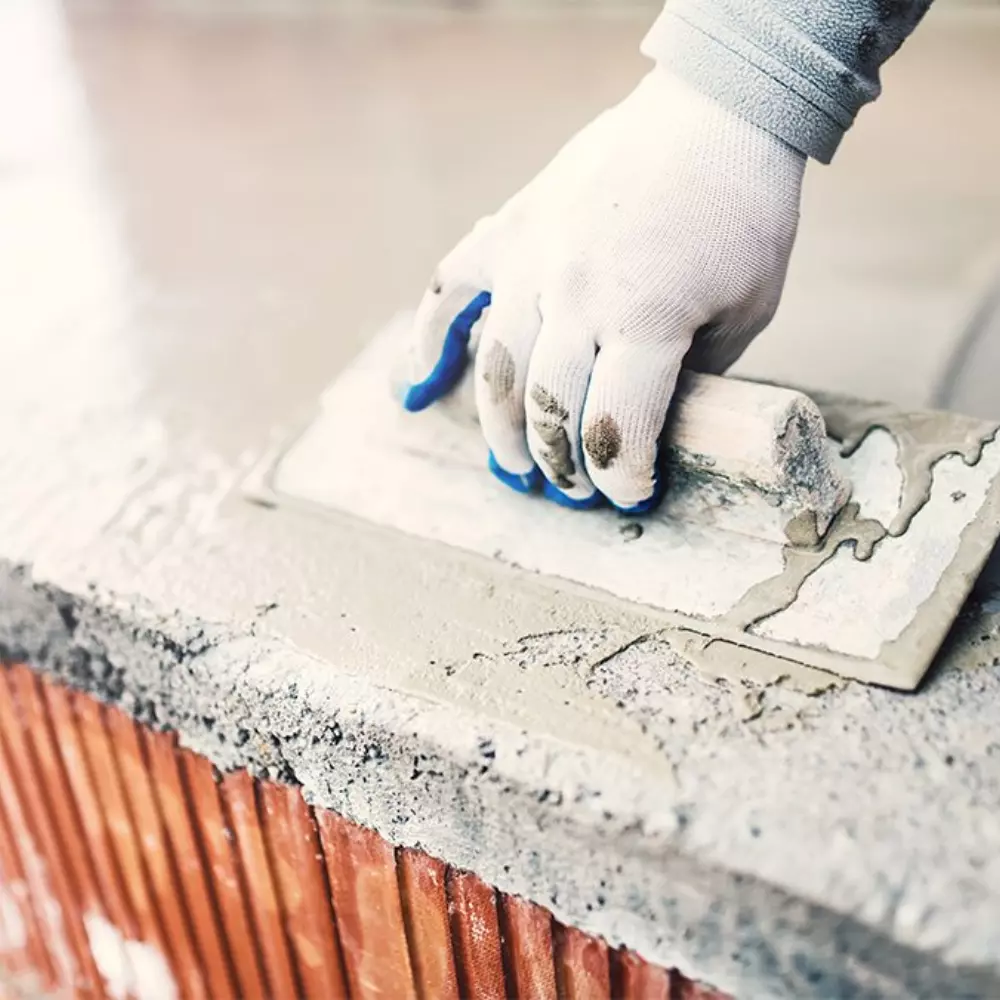
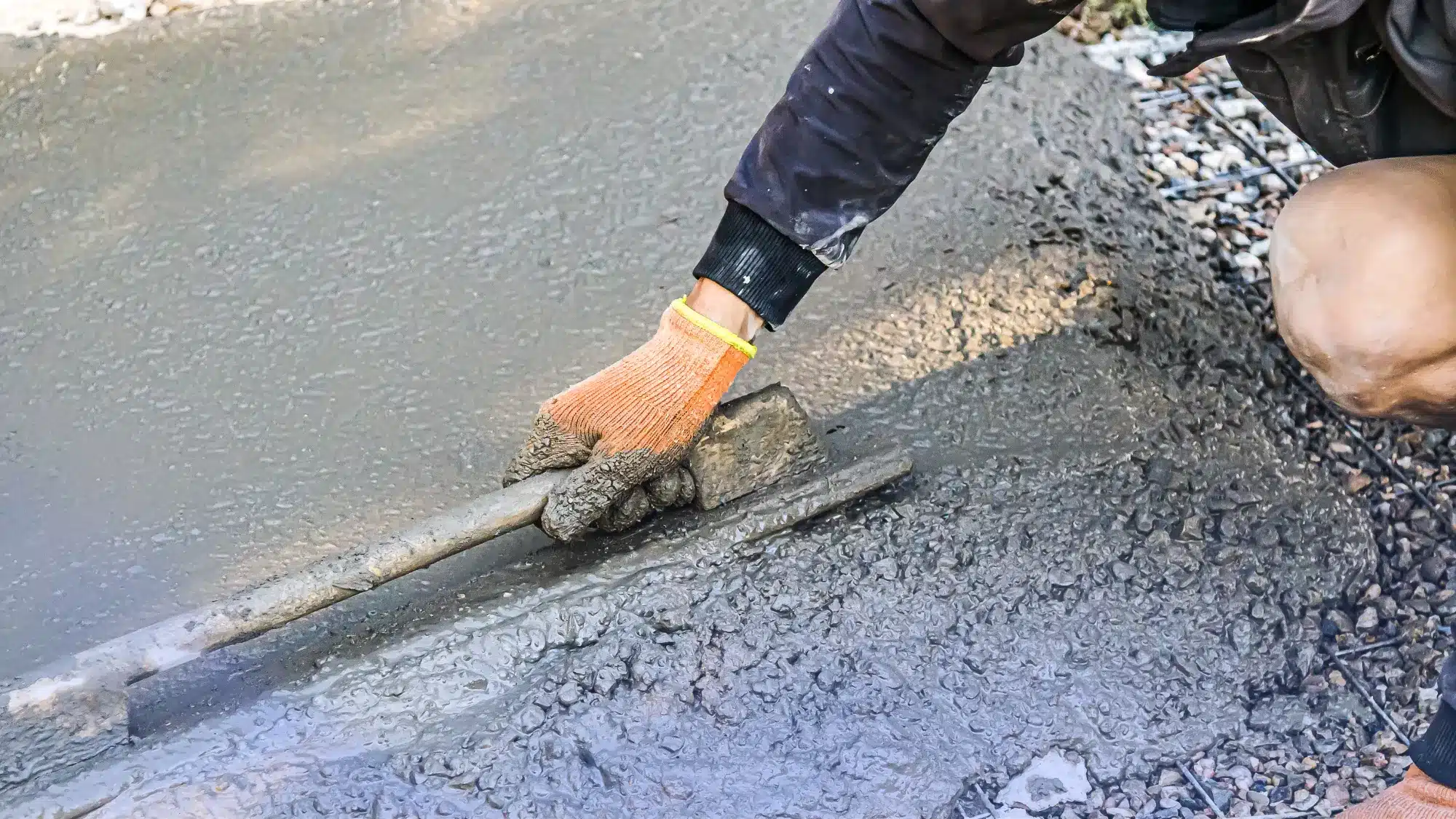
When winter hits Connecticut, homeowners often wonder what concrete driveway repair in CT can’t wait and what should be postponed until spring. Cold weather, freeze-thaw cycles, and moisture create unique challenges for concrete surfaces, but not all repairs need to be delayed. Here’s how to decide what can be addressed now and what’s best left for warmer months.
What Emergency Concrete Repairs Can Be Done in Winter?
Certain urgent repairs can and should be tackled even in cold weather, especially if they pose safety risks or could worsen if ignored. Modern materials and techniques allow for effective, though sometimes temporary, solutions:
Crack Sealing:
Small cracks can be filled with flexible, cold-weather sealants to prevent water infiltration and further freeze-thaw damage. This is a temporary fix, but crucial for stopping cracks from expanding over winter.
Trip Hazard Leveling:
Uneven slabs or sudden height differences can be leveled using polyurethane foam or similar materials. These can be applied in cold conditions with the right equipment, reducing liability and slip risks.
Emergency Patching:
Specialized winter repair products can patch potholes or spalling areas, providing temporary stability until a permanent repair is possible in spring.
Surface Sealing:
Emergency sealants designed for low temperatures can be applied to exposed surfaces to block moisture and salt intrusion, offering short-term protection.
Note: These repairs are often temporary. While they address immediate hazards, they may require reapplication or more permanent solutions once temperatures rise.
What Repairs Should Wait Until Spring?
Major or non-urgent repairs are best scheduled for spring, when conditions favor long-lasting results:
Full Slab Replacement or Large-Scale Pouring:
Pouring new concrete in cold weather risks improper curing, leading to weak, cracked surfaces. Temperatures below 50°F prevent concrete from setting correctly, so these projects should wait for consistently warmer weather.
Extensive Resurfacing:
Large resurfacing jobs require stable temperatures and dry conditions for proper bonding and curing. Spring and early fall offer the best window for these repairs.
Permanent Crack and Joint Repairs:
While temporary sealing is possible in winter, permanent repairs using epoxy or cementitious materials should be done when temperatures are reliably above freezing.
Why Timing Matters for Concrete Driveway Repair in CT
Connecticut’s climate brings frequent freeze-thaw cycles, which can rapidly worsen small cracks and surface defects. Delaying emergency repairs can lead to more extensive—and expensive—damage by spring. However, attempting major repairs in the cold can result in poor workmanship and reduced durability.
Tips for Managing Winter Concrete Repairs
Inspect Regularly:
Check your driveway and walkways for new cracks or uneven areas after each freeze-thaw cycle.
Act on Hazards:
Address trip hazards and major cracks immediately with temporary solutions.
Plan Ahead:
Schedule major repairs for early spring, but book contractors in advance—spring is the busiest season for concrete driveway repair in CT.
Consult Professionals:
Emergency repairs in winter require specialized products and expertise. Always work with experienced contractors familiar with cold-weather techniques.
Emergency concrete repairs in winter focus on safety and damage control, while major, permanent fixes should wait for spring. For homeowners in Connecticut, balancing immediate needs with long-term durability is key. If you need expert advice or emergency concrete driveway repair in CT, Pinnacle Concrete Solutions is ready to help—no matter the season.